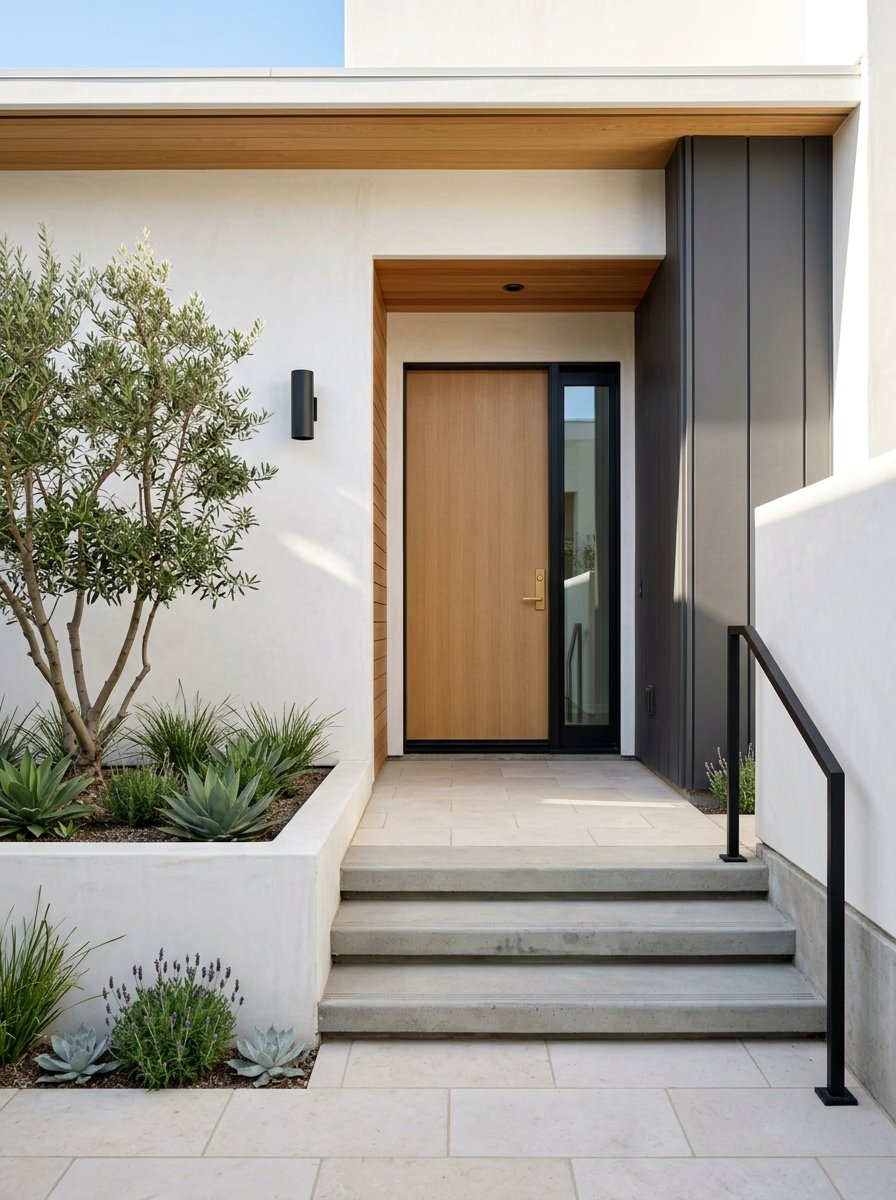
Your Yorba Linda Downsizing Guide to Protecting Equity
April 23, 2026
April 23, 2026
If you have owned your Yorba Linda home for many years, downsizing can feel like a smart next step and a financial puzzle at the same time. You may be sitting on substantial equity, but protecting that equity takes more than just putting a sign in the yard. When taxes, timing, and replacement-home costs all come into play, a clear plan can make a major difference. Let’s dive in.
Yorba Linda remains a high-price, competitive market, which can create real opportunity for longtime homeowners. In March 2026, the median sale price in Yorba Linda was $1,332,000, homes sold in about 36 days, and sellers received about three offers on average, according to Redfin’s Yorba Linda housing market data.
That matters because many owners who bought years ago may have meaningful equity to use toward a smaller home, condo, or townhome. At the same time, Orange County’s broader market still showed a 99.7% sale-to-list ratio and a 36-day median days on market, which means pricing and preparation still matter if you want to protect your bottom line.
In other words, downsizing is not just about selling high and buying lower. It is about managing your sale timeline, understanding your tax picture, and choosing the right replacement property for your next stage.
The first step in protecting your equity is knowing what you are likely to walk away with after the sale. Many homeowners focus on the sale price, but your real planning number is your net proceeds.
That number should account for your remaining mortgage payoff, closing costs, and the Orange County documentary transfer tax. Orange County sets that tax at $0.55 per $500, or fraction thereof, when the net consideration exceeds $100, according to the Orange County Recorder’s fee schedule.
You should also consider whether capital gains taxes may apply. The IRS states that qualifying homeowners may exclude up to $250,000 of gain, or $500,000 for married couples filing jointly, if they meet the ownership and use tests, which generally means living in and owning the home for at least 24 months during the five years before the sale. You can review those rules in IRS Publication 523.
For many longtime owners, this is where careful financial review matters most. A strong downsizing plan looks beyond the top-line sale number and asks what you will actually have available for your next purchase, moving costs, and future monthly housing expenses.
One of the biggest surprises for downsizers is that property taxes do not usually drop automatically just because the next home is smaller. In California, Proposition 13 generally limits ad valorem tax to 1% of full cash value and caps annual assessed value increases at 2% while ownership stays the same.
But when a reassessable change of ownership happens, Orange County says the property usually receives a new base-year value tied to the market value at transfer. In practical terms, that means the home you buy next will generally be taxed based on its new purchase price, not the lower assessed value you may have enjoyed for years in your current home.
That change can affect affordability more than many sellers expect. Even if you downsize square footage, your future property-tax bill may still be meaningful if you buy in a high-price market like Yorba Linda or nearby Orange County communities.
For many homeowners age 55 or older, Prop. 19 is the key rule to understand. The California Board of Equalization says eligible homeowners age 55 or older, as well as permanently disabled homeowners, may transfer their taxable base-year value to a replacement home up to three times.
If the replacement home is equal to or less than the value of the original home, the base-year value can usually transfer without adjustment. If the replacement home is more expensive, the amount above the original home’s value is added to the transferred taxable value.
This can make a major difference in long-term monthly costs. For a homeowner trying to preserve equity and keep future expenses predictable, Prop. 19 may be one of the most important tools available.
The timing has to be handled carefully. The Board of Equalization says the claim is filed after both transactions are complete and after you are living in the replacement residence, and it is not handled through escrow.
You can buy first and sell later, but there is an important catch. If the replacement home is purchased before the original home is sold, the original home must still be sold within two years, and during that interim period you will pay property tax based on the full fair market value of the replacement home, with no refund for that period.
That is why downsizers benefit from coordinating the listing date, purchase timing, and move plan well before the home hits the market. In a competitive local market where some hot homes can go pending in around 25 days, timing is not something to leave to chance, according to Redfin’s local market report.
Another line item that can catch buyers off guard is the supplemental tax bill. According to the Orange County Assessor, supplemental taxes are one-time bills created by the difference between the old assessed value and the new assessed value.
These bills are prorated from the transfer date through June 30 and are separate from the regular property-tax bill. The county also notes that supplemental bills can lag by up to a year.
If you are downsizing, this matters for budgeting. Even if your monthly payment looks manageable at closing, you will want to plan ahead for possible supplemental bills that arrive later.
If your current home has the homeowners’ exemption, it does not automatically transfer to your next property. Orange County says the Homeowners’ Exemption can reduce assessed value by $7,000, which usually saves at least about $70 per year for a qualifying owner-occupied principal residence.
The county advises canceling the exemption on the home you sell and reapplying on your new primary residence. New owners usually receive an application within 90 days of recording the deed.
This will not transform your tax bill, but it is still worth handling correctly. When you are protecting equity, small recurring savings still count.
Many downsizers start by saying they want a smaller home with less upkeep. That is a reasonable goal, but the best move is not always the one with the lowest purchase price.
A detached home may offer fewer shared rules and fees, while a condo or townhome may reduce some individual maintenance responsibilities. But lower maintenance does not always mean lower total cost.
The California Department of Justice explains that an HOA is an organization that enforces rules and guidelines for a planned community, subdivision, or condominium building, and residents generally must pay fees and assessments while complying with governing documents.
The California Department of Real Estate says regular assessments are often the primary source of HOA revenue, and special assessments may be used for unexpected expenses. Its residential subdivisions guide also notes that boards generally cannot raise regular assessments by more than 20% or impose special assessments above 5% of the annual budget without majority approval.
For you, the takeaway is simple: a condo or townhome can reduce some hands-on maintenance, but it can also replace that burden with dues, shared-cost risk, and community rules. Before you buy, review the CC&Rs, annual budget, reserve information, and recent HOA records so you understand both lifestyle restrictions and the potential for future fee increases.
In Yorba Linda, protecting your equity is usually less about one big decision and more about getting a series of smaller decisions right. The strongest plans start before your home goes on the market.
A smart downsizing plan should include:
This is where financial clarity really matters. When you understand the numbers before you move, you are in a much better position to protect the equity you have spent years building.
Even in a strong market, not every sale reaches its best possible outcome automatically. With Yorba Linda homes taking around 36 days to sell on median, and some hot homes moving faster, your pricing, preparation, and purchase coordination should work together from the start.
If you are thinking about downsizing, the goal is not just to sell your current home. The goal is to move into the next chapter with as much confidence, flexibility, and preserved equity as possible.
If you want help thinking through pricing, timing, and the financial side of your move, Tony Hong offers a clear, data-driven approach designed to help you make smart real estate decisions with confidence.
Stay up to date on the latest real estate trends.




Etiam non quam lacus suspendisse faucibus interdum. Orci ac auctor augue mauris augue neque. Bibendum at varius vel pharetra. Viverra orci sagittis eu volutpat.
TONY M. HONG | CA DRE# 02144918
Office ID# 02022092
Mobile: (714) 872-7533
Office: (213) 675-6562
tony.hong@tonyrealestategroup.
110 E Wilshire Blvd #G1 Fullerton CA 92832
