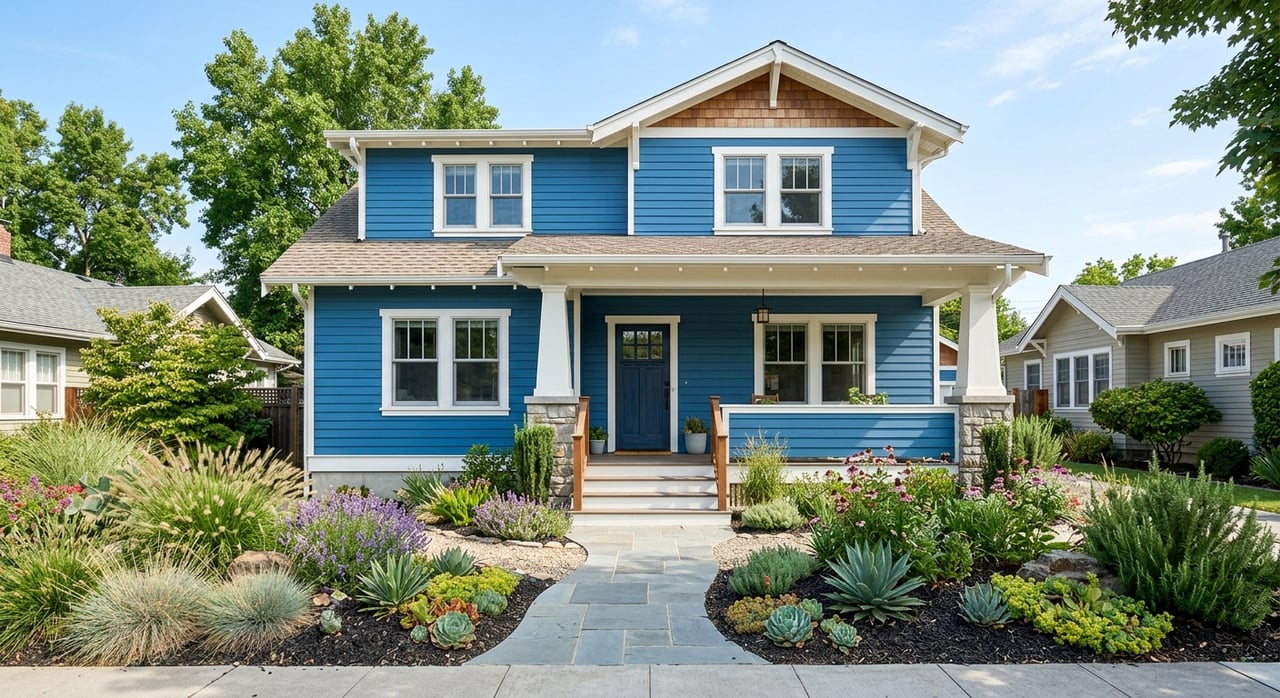
Living in Anaheim Near Parks: What Daily Life Feels Like
July 23, 2026
July 23, 2026
Wondering what it’s really like to live near the parks in Anaheim? The answer is not as simple as “busy” or “fun,” because Anaheim changes quickly from one area to the next. If you are thinking about buying, renting, or investing here, it helps to understand how the resort zones, historic areas, transit hubs, and neighborhood parks all shape daily life. Let’s dive in.
Living near the parks in Anaheim does not mean every part of the city feels the same. The Anaheim Resort is a 1,100-acre district built around Disneyland Resort, the Anaheim Convention Center, hotels, restaurants, shops, offices, and other visitor-serving businesses. According to the city, this district brings in more than 25 million visitors a year and plays a major role in supporting city services.
That creates a very specific lifestyle in the blocks closest to the resort. You may notice more traffic, more hotel activity, and a stronger visitor presence than you would in a typical suburban setting. At the same time, neighborhoods farther from the resort can feel much more residential and routine.
Another major piece of the picture is the Platinum Triangle. The city describes this area around Angel Stadium, Honda Center, and the Grove as a mixed-use growth district with high-rise lofts, residential and commercial development, and quick access to three freeways and a major transit center. If you want a more urban, connected feel, this area may appeal to you for different reasons than Anaheim’s quieter residential pockets.
If you live close to the resort, your day-to-day routine may include planning around event traffic and visitor activity. That does not mean the whole experience is chaotic, but it does mean convenience can depend on timing and exact location. A few blocks can make a real difference in how active an area feels.
For many residents, the appeal is access. You are near major entertainment districts, restaurants, large employers, and transportation options. That can be especially useful if you want a central Orange County location with a lot happening nearby.
At the same time, Anaheim is not defined by one lifestyle. Based on the city’s district, park, and planning descriptions, the practical takeaway is that you can find several different liveability profiles within one city. Some areas feel visitor-heavy, some feel more urban, and others feel more established and neighborhood-oriented.
One of the biggest misconceptions about Anaheim is that the parks conversation starts and ends with theme parks. In reality, the city’s park system plays a major role in everyday resident life. Anaheim’s Parks Division says it maintains more than 800 acres across 68 parks.
That matters because it gives you options for how you spend your time outside. The city’s parks include sports courts, dog parks, exercise equipment, splash pads, and nature trails. Instead of relying on one major central park, Anaheim offers a wider network of spaces spread across the city.
If you want a more natural setting, Oak Canyon Nature Center in Anaheim Hills offers a 58-acre park with a year-round stream, four miles of hiking trails, and an interpretive center. That makes it a different kind of outdoor experience than a neighborhood playground or community green space.
If you enjoy local history and smaller public spaces, Founders’ Park and Colony Park add another layer to city life. Founders’ Park highlights Anaheim’s agricultural history with historic homes, shaded walkways, and period-style outdoor features. Colony Park, located in the Anaheim Colony Historic District, includes a playground, picnic tables, and a water feature tied to the story of the Santa Ana River.
For a buyer or renter, this means your outdoor routine can look different depending on where you land. You might be close to a small neighborhood park, a heritage-focused green space, or a trail-oriented nature area. That variety is part of what makes Anaheim more usable day to day.
A city feels more livable when it works beyond weekends and special events. Anaheim offers a broad mix of resident-facing amenities that help support everyday routines. These include community centers, family resource centers, gymnasiums, youth centers, and a nature center.
The city also offers recreation classes and activities for kids, teens, and adults. That can be helpful if you are looking for ways to stay active, keep a schedule manageable, or plug into local programs without driving far outside the city.
Anaheim Public Library adds another practical layer. The library system includes branch locations, the Anaheim Heritage Center, a mobile library and bookmobile, a STEAM Van, and a self-service book vending machine at ARTIC. For residents, that reflects a city built around more than tourism alone.
Anaheim’s Planning Department describes the Packing House area as a link between Downtown and the city’s southern residential neighborhoods. Planning materials also frame it as a future destination for housing, retail, and restaurant uses. In practical terms, this area functions as a bridge between the historic core and the more destination-oriented parts of the city.
That kind of connection can matter when you are deciding where to live. Some buyers and renters want easy access to dining and activity without being in the middle of the busiest visitor zones. Areas that connect multiple parts of Anaheim can offer a more balanced daily experience.
If you are considering life near the parks, transportation should be part of your decision. ARTIC serves as Anaheim’s multimodal transportation hub, which gives the city an important mobility advantage. Metrolink lists Anaheim-ARTIC as an Orange County Line station with complimentary parking and station amenities, while Amtrak lists the Anaheim station with staffed service, restrooms, accessible facilities, and parking.
Bus access also plays a large role. OCTA says Anaheim is a major hub in its network, with nearly half of its bus routes traveling through the city and the second-highest transit ridership in Orange County. That can be useful if you commute, prefer transportation alternatives, or simply want more flexibility in how you move around.
For some residents, easy access to freeways and transit can offset the tradeoffs of living near high-activity districts. If you work in another part of Orange County or use rail service, proximity to ARTIC and major routes may be a meaningful advantage.
This is especially relevant in the Platinum Triangle, where the city emphasizes access to three freeways and the transit center. For buyers, renters, and investors, that can support convenience and long-term appeal depending on the property and location.
Not every part of Anaheim feels new or event-driven. The city says Central Anaheim includes four historic districts covering about two square miles. The Anaheim Colony is the city’s first and largest historic district, with more than 1,100 qualified structures in a 1.8-square-mile area.
City planning documents describe the Colony as Anaheim’s historic and cultural center. They also connect it with jobs, specialty shopping, transit, and recreation across the city. That gives this part of Anaheim a different character from the resort district or newer mixed-use growth areas.
If you are drawn to places with a more established neighborhood feel, historic Anaheim may stand out. The pace can feel more rooted in local identity, even while staying connected to the rest of the city.
Living near the parks can make sense for a few different types of buyers and renters. The right fit depends less on a single Anaheim lifestyle and more on how you want your daily routine to feel.
You may want to look closer if you value:
You may want to pay extra attention to location details if you prefer:
In Anaheim, small location differences can have a big impact. Two homes may both be described as “near the parks,” but the daily experience can be very different depending on traffic patterns, nearby uses, access routes, and distance from major districts.
This is where local knowledge matters. It helps to look beyond the headline location and think about your actual routine, including commute times, park access, transportation options, and the kind of neighborhood atmosphere you want. A data-driven approach can help you compare not just price, but also how well a location fits your lifestyle goals.
If you are exploring Anaheim and want a clear picture of which areas align with your needs, working with a local professional can save time and reduce guesswork. If you want help evaluating homes, rentals, or investment opportunities near Anaheim’s parks and districts, connect with Tony Hong for practical guidance rooted in local insight and financial clarity.
Stay up to date on the latest real estate trends.
Etiam non quam lacus suspendisse faucibus interdum. Orci ac auctor augue mauris augue neque. Bibendum at varius vel pharetra. Viverra orci sagittis eu volutpat.
TONY M. HONG | CA DRE# 02144918
Office ID# 02022092
Mobile: (714) 872-7533
Office: (213) 675-6562
tony.hong@tonyrealestategroup.
110 E Wilshire Blvd #G1 Fullerton CA 92832
